
Deciding to part ways with a vehicle that has reached the end of its functional life is a significant step for any property owner in Mission. Whether the car has been sitting in a driveway for years, suffered extensive damage in a recent collision, or simply succumbed to mechanical wear and tear, the transition from owning a vehicle to arranging its removal requires a clear understanding of the process. For many residents, the primary goal is to clear space while ensuring the transaction is handled professionally and efficiently. The local landscape in British Columbia offers specific avenues for those looking to move on from unwanted automobiles, and being prepared for the initial outreach can make the entire experience much more straightforward. Understanding the nuances of the local market and the specific requirements of scrap car buyers is the first step toward a successful resolution. Call 236-243-2256 to discuss your vehicle.
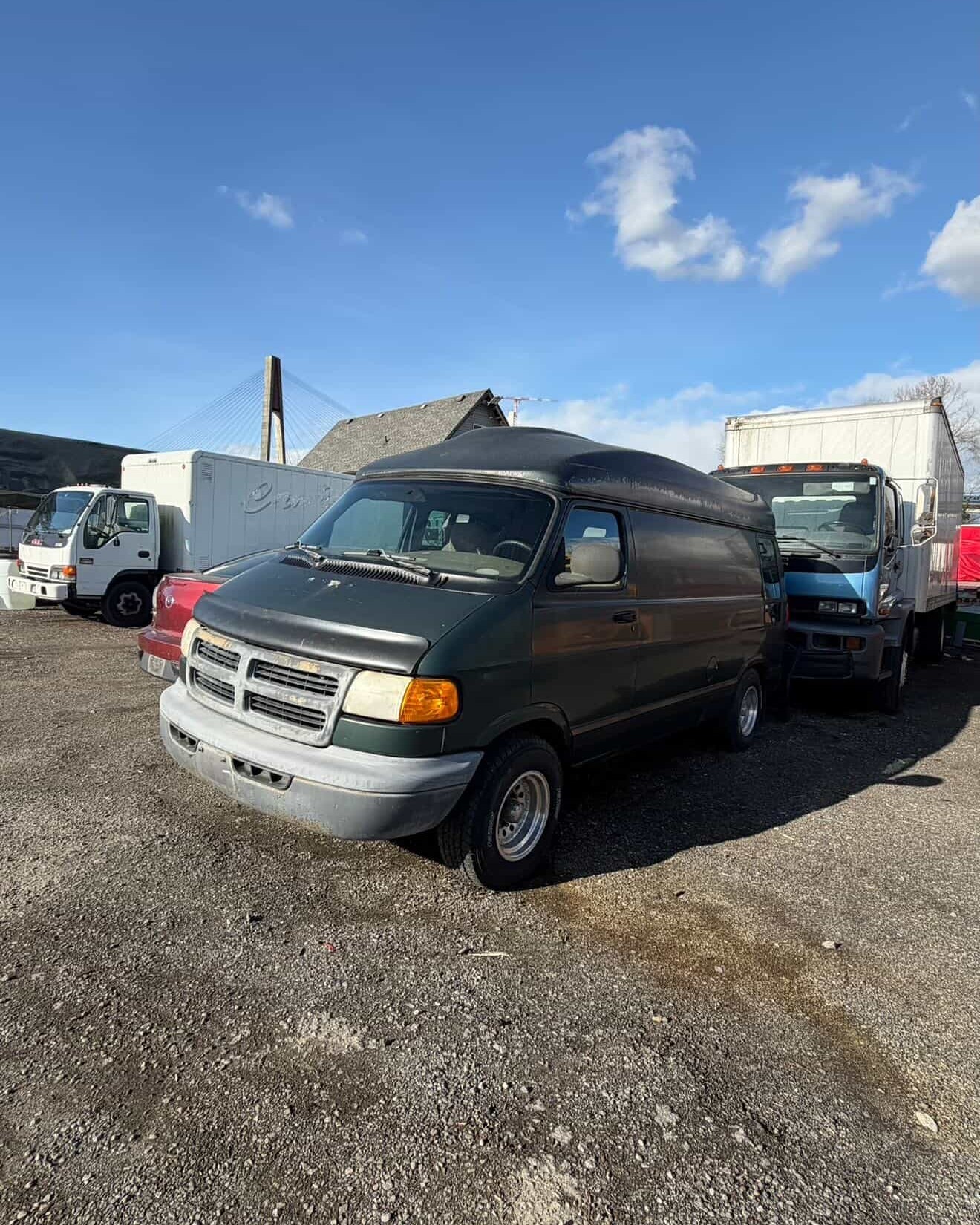
The process of transitioning a vehicle from a liability into a resolved matter involves more than just making a phone call. It requires a systematic approach to gathering information and preparing the physical site for a removal service. By taking the time to organize the necessary details beforehand, sellers can ensure that the conversation with a removal service is productive and that all expectations are aligned from the start. This preparation is not just about the vehicle itself but also about the logistical considerations that come with moving a non-running or damaged machine from a residential or commercial property. In the following sections, we will explore the essential steps to take before you initiate contact, ensuring you are fully equipped to navigate the process with confidence.
Assessing the Vehicle’s Current State in Mission
Before reaching out to a professional buyer, it is crucial to have a comprehensive understanding of the vehicle’s current condition. This assessment serves as the foundation for the entire transaction, as it dictates the logistical requirements for removal and the initial evaluation of the vehicle’s scrap value. In Mission, where terrain and property layouts can vary significantly, knowing exactly what the removal team will encounter is essential. A vehicle that is buried in a backyard under years of overgrowth presents a different challenge than one parked on a flat, paved driveway. By conducting a thorough walkthrough of the vehicle, you can identify key details that will be requested during your initial inquiry, allowing for a more accurate and efficient conversation.
Identifying the Make and Model Details
The most basic yet essential information you will need to provide is the year, make, and model of the vehicle. Having the exact specifications on hand is necessary for the buyer to categorize the vehicle correctly. In addition to the basic model name, knowing the trim level or any specific engine configurations can be helpful. This information is typically found on the vehicle’s registration documents or on the door jamb sticker. Providing precise details helps the buyer understand the size and weight of the vehicle, which is critical for their recycling processes and for determining the appropriate towing vehicle for the job.
Documenting Mechanical and Structural Issues
Beyond basic identification, a detailed account of the vehicle’s mechanical state is required. Does the engine turn over? Are the tires inflated and capable of rolling? These are the types of questions a professional buyer will likely ask. A vehicle that rolls and steers is much easier to remove than one with seized wheels or a broken axle. If the car has been involved in an accident, documenting the extent of the structural damage, such as crumpled frames or deployed airbags, is equally important. This information allows the removal team to bring specialized equipment, such as dollies or a flatbed trailer, if the vehicle cannot be moved by traditional means.
It is also worth noting if the vehicle has been stripped of any parts. “The business buys unwanted vehicles or equipment and does not sell used parts.” Therefore, their interest lies in the recycling value of the entire unit. Being clear about the vehicle’s completeness ensures that the service provider can plan their recycling workflow effectively. This transparency fosters a professional relationship and ensures that the removal process remains focused on the primary goal: the efficient disposal and recycling of the unwanted vehicle.
Preparing for the Initial Inquiry
Once you have gathered all the necessary information about the vehicle, the next step is to prepare for the actual inquiry. This stage is about establishing a clear line of communication with the buyer. In Mission, local services like Mission Scrap Cars (236-243-2256) are well-versed in the specific needs of the community. When you call, you should be ready to discuss not only the vehicle’s condition but also the logistics of where it is located and how accessible it is for a tow truck. Providing clear directions and describing any potential obstacles can prevent delays on the day of pickup.
Preparation also involves understanding what you hope to achieve from the transaction. For most, the priority is the removal of a space-consuming eyesore. By having your goals in mind, you can better navigate the conversation. It is also a good time to ask any questions you might have about the process, such as what documents you will need to sign. A well-prepared seller is often able to complete the entire inquiry in just a few minutes, setting the stage for a smooth and professional removal service that respects both their time and their property.
Coordinating with Mission Scrap Cars for a Smooth Transition
Effective coordination is the hallmark of a successful scrap car removal experience. When you engage with a local specialist, you are tapping into their expertise in handling end-of-life vehicles within the Mission area. One of the most important aspects of this coordination is ensuring that you have a clear understanding of How to Get an Unwanted Car Ready for a Mission Conversation. This involves having all your vehicle details organized and being ready to discuss the specific location of the car on your property. The more information you can provide during this initial contact, the better the service provider can tailor their approach to meet your needs.
During the coordination phase, it is also essential to confirm the availability of the removal team. While many local buyers strive to accommodate sellers as quickly as possible, the timing often depends on their current routes. By being flexible and providing a range of times when you or a representative can be present, you increase the likelihood of a prompt pickup. Remember that the goal of Mission Scrap Cars (236-243-2256) is to provide a seamless service that minimizes the impact on your daily routine. Clear communication regarding the vehicle’s accessibility and your schedule will ensure that the transition from your property to the recycling facility is handled with the utmost professionalism.
Final Preparations Before the Removal Service Arrives
As the scheduled pickup time approaches, there are a few final steps that every seller should take to ensure a smooth handover. The most important is the removal of all personal belongings from the interior of the vehicle. Take a few minutes to conduct a thorough sweep of the car, checking all storage compartments and under the seats for any paperwork or personal effects that should be kept. Additionally, ensuring the path to the vehicle is clear of obstructions is vital for the safety and efficiency of the removal process. Clearing away any debris or movable items from the immediate vicinity protects your property and allows the professional team to work more effectively. By taking these simple precautions, you contribute to a successful experience, allowing you to finally resolve the matter of your unwanted vehicle with ease.