
When an unwanted vehicle leaves a Mission property, the owner’s role does not have to end with watching it depart. A useful Mission scrap car recycling process conversation is about the next decisions: how the vehicle will be received, which materials should be separated from its end-of-life condition, and what documentation can reasonably be requested. This is a seller-focused discussion, not a guide to finding components or choosing parts. It helps an owner make an informed pickup inquiry while keeping expectations accurate about what happens beyond the pickup point. Call 236-243-2256 to discuss your vehicle.
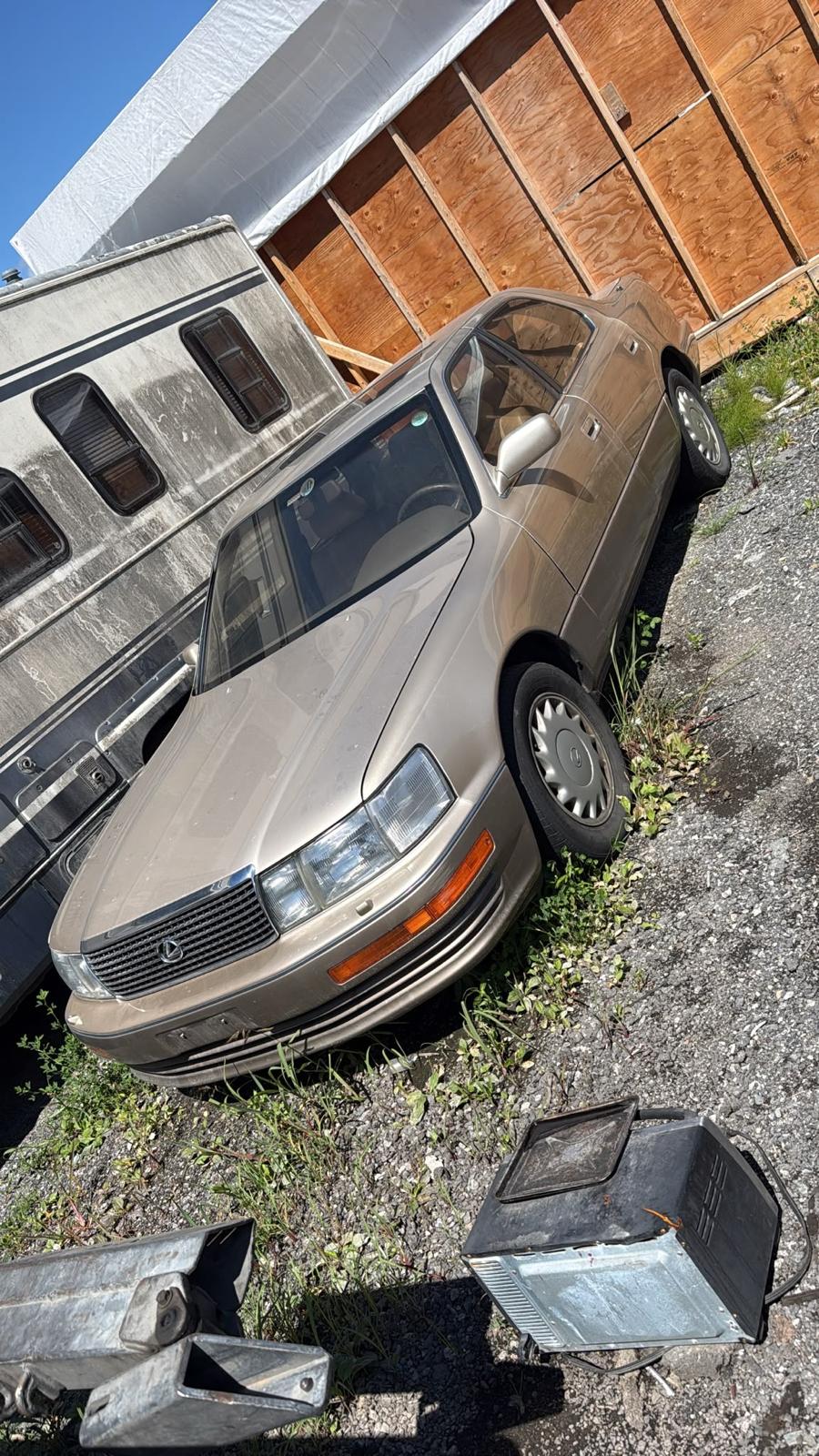
An end-of-life vehicle is not one uniform material. It is a vehicle with metal, fluids, a battery, tires, glass, plastics, wiring, interior materials, and other components that may require different handling. The precise route for any vehicle depends on its condition, what remains in it, the receiving business, and applicable requirements. Rather than assuming every vehicle follows the same sequence, a seller can ask clear questions about the planned handoff and about the records available after the transaction.
Think of pickup as the handoff to a recovery decision
Pickup solves the immediate problem of an unwanted vehicle occupying a driveway, commercial yard, parking area, or other Mission property. Material recovery is the separate decision-making stage that follows. A service arranging removal may take the vehicle to a receiving operator, but an owner should not assume that a particular business owns the site, performs dismantling, or uses a particular downstream method unless that business confirms it. The important point is to distinguish the removal service from the receiving and recovery decisions.
Before agreeing to pickup, describe the vehicle honestly as an end-of-life unit. State whether it is complete, whether obvious major items are missing, whether it has been sitting for a long time, and whether there is any known fluid leak or fire damage. This is not a value promise or a technical inspection. It gives the pickup provider enough context to explain the handoff, and it gives the owner a focused basis for asking where material-handling questions should be directed.
Mission details that shape a responsible conversation
Local waste information provides useful context without turning a vehicle owner into a recycling operator. The City of Mission states: The Mission Landfill accepts typical municipal solid waste, including household garbage, furniture, appliances, residential renovation waste, greenwaste and scrap metal. That local acceptance information helps explain why scrap metal is treated as a recognized material stream, but it does not mean an entire vehicle should be treated as ordinary mixed waste. A vehicle has materials that call for separate decisions. Read the relevant City of Mission drop-off and landfill guidance before making assumptions about a specific item.
The City also lists the local scrap-metal category as Scrap Metal (appliances, propane tanks, barbeques, automotive batteries etc.) This is a precise reminder that an automotive battery is handled as a distinct material rather than simply ignored in a general description of a car. For a seller, the practical takeaway is not to remove or deliver items independently unless it is safe and appropriate. Instead, disclose known items and ask the pickup provider or receiving operator which party is responsible for the next step.
Fluid contamination is another reason to ask before acting. The City of Mission notes: Used oil collection at the Mission Recycling Depot is periodically suspended to accommodate quality assurance testing. The same municipal guidance warns that mixing gasoline and oil or oil and antifreeze creates a hazardous material that cannot be recycled. For an end-of-life vehicle, this supports a simple rule: do not represent unknown fluids as suitable for a particular drop-off stream, and do not guess about what has been mixed. Tell the service about any known leakage, containers, or fluids left in the vehicle so it can identify an appropriate next contact.
What material recovery questions can an owner ask?
A productive question is not “Will every part be recycled?” No one can accurately promise that without knowing the vehicle and the receiving operation. A better question is whether the receiving operator has a documented approach for the materials that remain in the vehicle. That discussion may cover liquids, battery handling, tires, metal, and any unusual condition that changes safe handling. It keeps the inquiry tied to the actual vehicle rather than to a generic environmental claim.
British Columbia’s Vehicle Dismantling and Recycling Industry Environmental Planning Regulation gives useful context for this question. It requires an environmental management plan for waste management, reduction, or prevention when a facility dismantles more than five wet vehicles in a calendar year. The regulation identifies wastes to be removed from wet vehicles, including oils, brake fluids, solvents, fuels and other hydrocarbons, lead and lead-acid batteries, windshield washer fluid, and ozone-depleting substances or other halocarbons. This is a regulatory framework for qualifying facilities, not a statement about Mission Scrap Cars or any individual business.
For a seller, the value of that rule is practical. It suggests the kind of question that is fair to ask: which receiving operator will make the material-handling decision, and can the seller receive a clear record of the vehicle’s transfer? The answer may be brief, and a pickup service may not be the downstream operator. That is acceptable as long as the business does not imply a role it does not have and the seller understands who can answer the facility-specific question.
Keep recovery questions specific to the vehicle
- Ask whether the vehicle will be transferred as an end-of-life vehicle and who will be the receiving operator, if that information is available.
- Identify known concerns such as a damaged battery, visible fluid loss, collision damage, fire damage, an air-conditioning system, or loose items left inside.
- Ask what record of the sale or transfer will be provided and retain the information supplied by the business.
- Ask whom to contact for any downstream material-handling question that the pickup provider cannot answer.
These questions do not ask a service to guarantee a recycling percentage, a particular facility, or a resale outcome. They give the owner an accurate way to document the handoff. They also avoid the opposite mistake of assuming that a vehicle’s metal content alone describes the full recycling process.
Document the handoff, not an imagined downstream result
Keep a simple record of the date, the vehicle description, the contact used, and any receipt or confirmation supplied at handoff. If a business gives the name of a receiving operator, retain it with those records. Do not create a record that claims fluids were removed, materials were processed, or a particular facility was used unless the responsible party has actually provided that information. Accurate documentation is more useful than a broad “eco-friendly” label because it identifies what the seller knows and what remains a question for the receiving operation.
Mission owners should also keep the scope local. The City of Mission states: The Mission Landfill is permitted to accept waste sourced from within the Fraser Valley Regional District (FVRD) only. That rule concerns the municipal landfill, not the destination of every picked-up vehicle. Still, it is a concrete reason not to infer that a local landfill program determines a vehicle buyer’s destination. If an owner needs a disposal answer for a particular non-vehicle material, the City’s published guidance and the relevant receiving operator are better sources than a general assumption.
Ask Mission Scrap Cars about the pickup handoff
If you are ready to discuss an unwanted car in Mission, explain that you want a clear pickup conversation and ask what handoff information can be provided for your particular vehicle. Share only the condition details that affect safe removal and material-handling questions. We do not sell used parts. For a seller-focused discussion of an end-of-life vehicle pickup, call Mission Scrap Cars at 236-243-2256.