
When a commercial pickup is no longer earning its place in a Mission yard, shop lot, or service property, access planning becomes part of the sale conversation. A pickup that cannot move under its own power may sit behind gates, beside loading areas, or near a public roadway. Those details affect how the vehicle can be approached and what a buyer or removal operator needs to understand before discussing the vehicle. Call 236-243-2256 to discuss your vehicle.
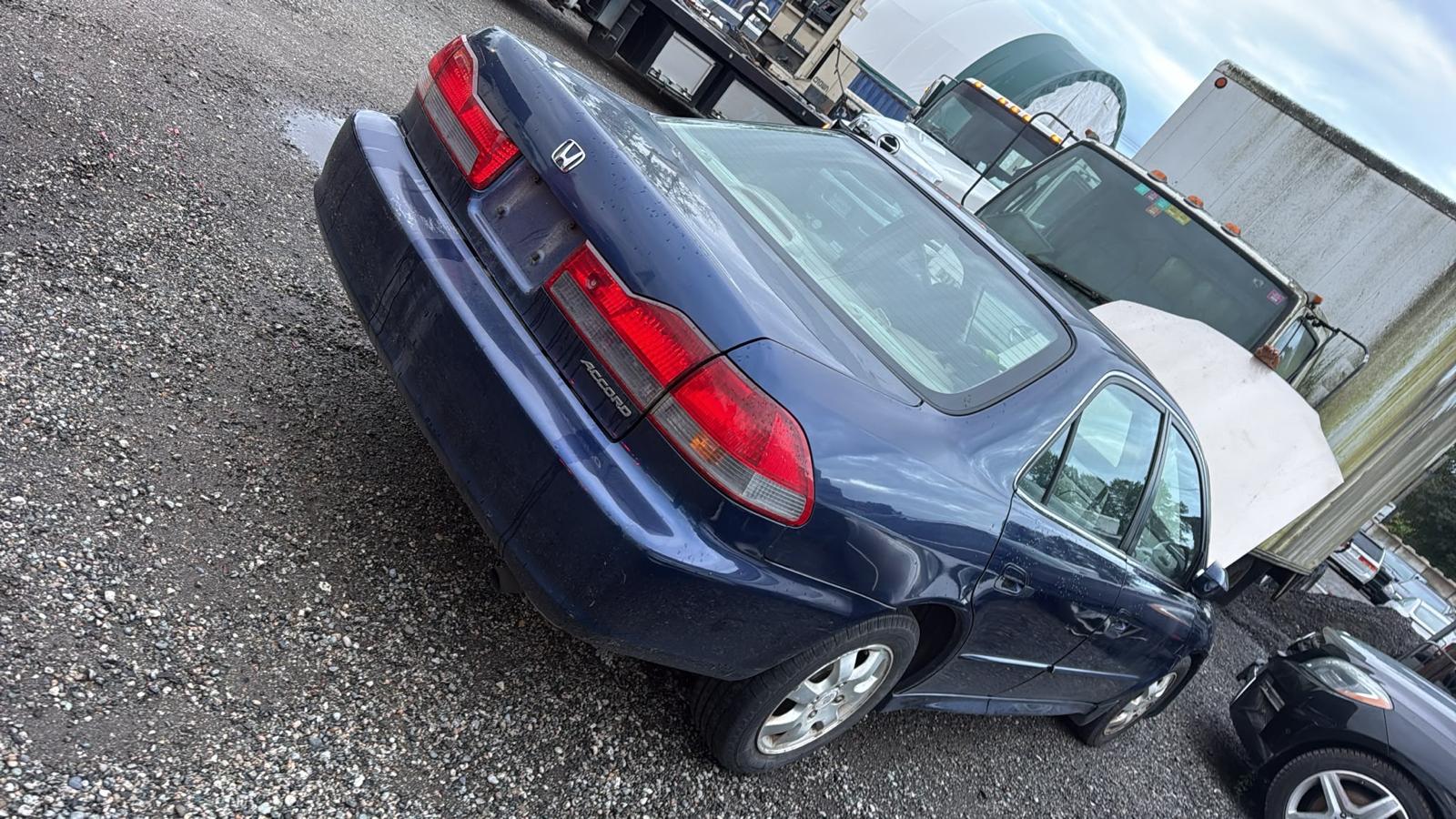
This guide is for a Mission business owner, fleet manager, contractor, or property manager arranging the next step for an unwanted commercial pickup. It focuses on truthful site information, municipal context, and a practical handoff. It does not promise a particular price, timing, towing method, or government outcome. The goal is to make the inquiry clear without overstating what the vehicle or property can support.
Start with the commercial pickup’s exact position
Describe where the pickup is parked on the property rather than simply giving the business address. Note whether it is in a front yard, fenced compound, loading bay, rear lane, underground parkade, gravel lot, or beside a building. A useful description identifies the entrance a vehicle would use, the surface under the pickup, and the distance from that entrance to the vehicle.
Mission’s road network includes both municipally and provincially maintained streets and highways. The City identifies Highway 7, Highway 11, and the Mission-Abbotsford Bridge among roads in the provincial road network. That distinction matters when a commercial pickup must pass from private property to a public route: the property approach and the roadway may involve different owners, rules, or contacts. The City also states that heavy trucks must travel on the truck route. Review the City of Mission roads and transportation information when describing the route around a commercial site.
- Give the street address and a plain-language description of the pickup’s position.
- State whether the gate, driveway, or access lane is shared with customers, tenants, deliveries, or other businesses.
- Identify slopes, soft ground, tight turns, overhead obstructions, bollards, curbs, and nearby parked vehicles.
- Say whether the pickup rolls, steers, brakes, starts, or needs equipment to move, based only on what you know.
Separate private-property access from street use
A business may be able to authorize access to its own yard, but that does not automatically authorize blocking or closing a public lane, sidewalk, or street. The City of Mission says Street Use Permits are required for any closure of a street, lane, or sidewalk connected with a special event, work, or construction. Its permit information also says an application includes the nature, location, and timing of the work, a fee, security, insurance naming the City as additionally insured, and an approved Traffic Management Plan.
For a pickup sale or removal discussion, do not assume a permit is needed in every situation, and do not assume one will be obtained by anyone else. Instead, ask whether the planned activity would occupy or close public space. If a driveway opens directly onto a busy road, if a lane would be blocked, or if loading would require traffic control, identify that interface early and verify the applicable requirement with the responsible authority. The relevant City page is the Street Use Permit application information.
Check dimensions before discussing a route
Commercial pickups vary widely. A standard cab-and-box configuration is different from a long-wheelbase truck with a service body, ladder rack, tool compartments, or a mounted piece of equipment. Record the pickup’s approximate overall length, width, and height if those measurements are available. Do not guess at a clearance that has not been measured.
Mission’s Street Use Permit page describes an Extraordinary Traffic Permit for overweight or overheight vehicles and says it applies to vehicles and equipment over 2.6 metres in width, 12.5 metres in length, or 4.5 metres in height. The same page says applications must be submitted to the City at least five working days before work on City roadways. These thresholds are municipal source information, not a promise that a particular pickup requires a permit. They are a reason to compare the vehicle and any equipment involved with the published dimensions before a roadway plan is made.
- Measure the highest fixed point, including a rack, box, beacon, or other attached item.
- Measure the widest point, including mirrors or permanently mounted equipment when relevant to clearance.
- Check the turning space inside the property, not only the width of the gate.
- Keep a note of whether the pickup is parked nose-in, backed against a wall, or surrounded by movable stock.
Use Mission parking rules as a site-planning checkpoint
Mission’s parking-regulations page says the City regulates parking through Part 8 of its Traffic Regulation Bylaw. The City lists parking a truck or commercial vehicle exceeding 5,500 kg licensed gross vehicle weight in a residential area as a common issue. It also lists obstructing sidewalks, walking-strips, boulevards, or corridors for pedestrians, cyclists, or equestrians; parking within 5 metres of a fire hydrant or 6 metres of a stop sign; and parking without a valid licence plate or insurance.
These points are useful when a commercial pickup is temporarily staged near a property boundary or moved to a roadside position. They are not a substitute for reading the complete bylaw or asking the City about a particular circumstance. Keep the pickup on authorized private space where possible, avoid placing it in a pedestrian or emergency-access path, and do not describe a roadside location as suitable merely because a truck can physically reach it. Read the City’s Parking Regulations page for the complete context and bylaw link.
Also tell the prospective buyer if the pickup is in a residentially zoned portion of a mixed-use property, near a hydrant, or beside a sidewalk. Accurate disclosure lets the parties discuss a property-side handoff rather than improvising in a public area. If the property is leased, obtain the landlord’s or site manager’s permission before granting access. If the property is shared, identify who can unlock gates and who can move other vehicles.
Keep the seller’s vehicle record separate from access assumptions
Access planning does not replace ownership and registration paperwork. ICBC states that before licence plates and insurance can be obtained for a vehicle in British Columbia and the vehicle operated on a highway, it must be registered with ICBC; registration serves as the official record and identifies the owner. For a company-owned pickup, keep the registration, asset or fleet reference, and the name of the person authorized to sell it together. If the registered owner and business contact differ, explain that clearly.
Do not remove plates, cancel insurance, or represent that a transfer is complete unless the responsible owner has completed the applicable process. The ICBC vehicle-registration guidance explains that steps and documents vary and directs owners to an Autoplan broker for more information. It also says a newly purchased vehicle must be registered in the licence holder’s name at an Autoplan broker within 10 days of purchase. Those are ICBC rules for registration, not a claim about how a particular commercial pickup transaction will conclude.
Before making contact, assemble a short seller file: the pickup’s year, make, model, plate or registration information if available, operating condition, known damage, key status, and access notes. Include whether fluids, tools, cargo, or business records remain inside. Remove confidential business material before any handoff. If the pickup is leased or financed, verify the seller’s authority before presenting it as available for sale.
A clear Mission commercial pickup inquiry
A concise inquiry can state: “This is a commercial pickup at a Mission business property. It is on private ground behind a [gate or entrance], the approximate dimensions are [measurements], it [does or does not] roll and steer, and access to the public road may involve [lane, sidewalk, or roadway detail]. The registered owner or authorized representative is [available or to be confirmed].” That wording distinguishes facts from assumptions and gives the other party a basis for follow-up questions.
Mission Scrap Cars can discuss the pickup using the information you have, but the actual options depend on the vehicle, ownership, property permission, and access conditions. We do not sell used parts. For a seller-focused conversation about a commercial pickup at a Mission property, call 236-243-2256 and describe the site honestly, including any public-road interface.