For property owners and residents living in the scenic benchlands of Hatzic and the broader Mission region, managing an ageing, damaged, or unneeded vehicle can present a practical challenge. Whether sitting in a residential driveway, occupying valuable garage space, or parked near local landmarks, unwanted automobiles eventually require proper disposal. Navigating this process involves understanding how automotive recycling works in British Columbia, adhering to provincial environmental frameworks, and connecting with reliable local buyers who handle end-of-life vehicles responsibly and efficiently. Call 236-243-2256 to discuss your vehicle.
Environmental Standards and Provincial Regulations in British Columbia
When retiring an unwanted vehicle in the Fraser Valley, environmental compliance remains a critical consideration that protects our shared natural resources. The operation of vehicle dismantling and recycling facilities across British Columbia is governed by strict provincial standards, notably the Vehicle Dismantling and Recycling Industry Environmental Planning Regulation established under the Environmental Management Act. These regulations ensure that automotive fluids such as gasoline, motor oil, transmission fluid, radiator coolant, and brake fluid are captured safely and managed without environmental compromise, preventing hazardous materials from leaching into local watersheds and groundwater supplies.
The geography of the Hatzic area, characterized by its proximity to Hatzic Lake, an oxbow lake draining directly into the mighty Fraser River, makes environmental protection exceptionally important for the local ecosystem. Strict adherence to environmental standards prevents automotive fluids and heavy metals from impacting local aquatic habitats, agricultural soils, and delicate wetland ecosystems. registered or registered recycling operations must maintain rigorous environmental management plans to handle lead-acid batteries, scrap tires, catalytic converters, and metal casings properly before shredding, sorting, and smelting take place across industrial processing facilities.
Navigating Local Geography: From Hatzic Lake to Westminster Abbey
Residents across Hatzic navigate a diverse landscape shaped by unique geographic features, agricultural lands, and changing elevations. Running parallel to the northern edge of the Fraser Valley, the Lougheed Highway (Highway 7) serves as the primary transportation artery connecting local communities toward Maple Ridge, Abbotsford, and Agassiz. Motorists frequently travel past local historical and cultural landmarks such as Westminster Abbey, perched prominently on the hills overlooking the valley, and the recreational waters of Hatzic Lake, which forms a vital wetland basin in the region.
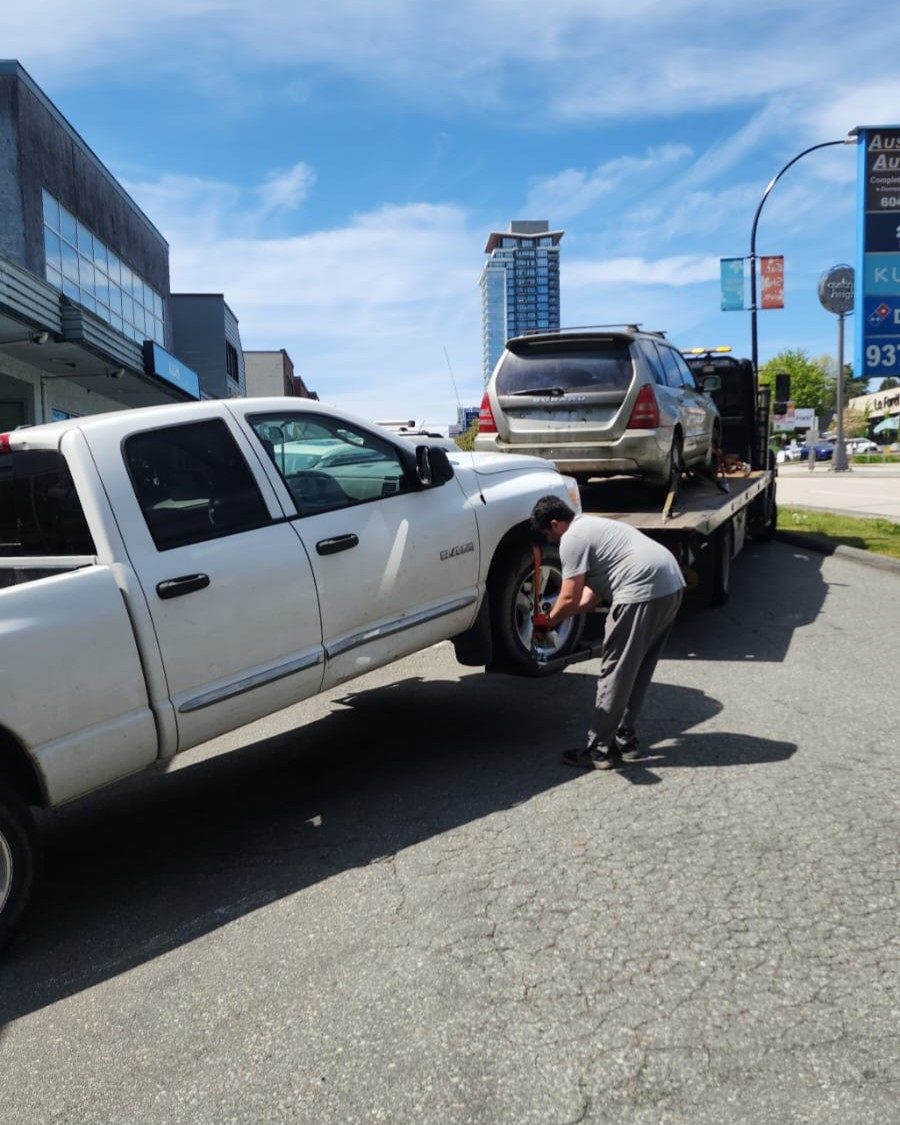
Further shaping the local terrain are the steep foothills of the Coast Mountains, which frame the northern boundaries of Mission and create distinct micro-neighbourhoods where access for specialized towing equipment or scrap vehicle removal requires careful logistical coordination. Navigating these winding rural roads and residential driveways, ranging from older rural properties near historic railway lines to newer suburban developments, demands familiarity with local topography and weather patterns. Property owners seeking to clear out non-running cars, rusted trucks, or collision-damaged SUVs often look for established local purchasers who understand the nuances of navigating regional routes.
The Economic and Practical Value of Scrap Vehicle Recycling
Automotive recycling represents a cornerstone of the circular economy, diverting thousands of tons of metal, glass, and plastic from landfills each year. Modern scrap yards and vehicle buyers play an essential role in recovering valuable commodities such as steel, aluminum, copper wiring, and precious metals found in catalytic converters. When an end-of-life vehicle is dismantled, every reusable component is meticulously processed, ensuring that raw material extraction is reduced and industrial manufacturing demands are met through sustainable secondary markets.
For vehicle owners in Mission, retiring an old car also eliminates ongoing liabilities, such as rising insurance costs for unused vehicles, municipal parking infractions, or potential environmental hazards posed by leaking fluids on private property. However, it is essential to understand that commercial arrangements for scrap vehicles depend on numerous variable factors. The valuation of a scrap car is influenced by current global metal commodity prices, vehicle weight, structural integrity, completeness of parts, and logistical factors such as distance from major paved roadways. Mission Scrap Cars does not make unverified claims regarding pricing, exact pickup times, fees, quotes, towing availability, licensing, certifications, service coverage guarantees, or specific financial returns. Readers are strongly encouraged to contact the business directly to ask about all commercial details, current scheduling availability, and specific service terms.
Exclusive Focus on Vehicle Acquisition and Scrap Recovery
When dealing with an unwanted, junk, or salvage vehicle, vehicle owners in Mission have specific service options. Professional buyers focus entirely on the acquisition and recycling of surplus automobiles rather than retail automotive repair or second-hand retail. It is important for vehicle owners to note that Mission Scrap Cars focuses exclusively on purchasing unwanted vehicles and does not sell used parts.
By specializing strictly in vehicle acquisition and scrap recycling, the business maintains a streamlined operational model dedicated to helping residents clear unneeded vehicles off their land. Whether a vehicle has suffered mechanical failure, sustained extensive collision damage, failed provincial inspections, or simply reached the end of its operational lifespan, selling it for scrap provides an efficient path to property reclamation. Because every vehicle pickup scenario involves unique physical constraints, such as whether the vehicle is parked on a steep slope, blocked in by outbuildings, or lacking functional wheels, direct communication with the buyer is necessary to determine logistical feasibility.
Connecting with Mission Scrap Cars
If you have an unwanted vehicle taking up space on your property in Hatzic or anywhere across the wider Mission municipality and wish to inquire about removing it, reaching out to local professionals is the most effective next step. Because every situation involves different logistical factors, speaking directly with knowledgeable staff ensures clarity regarding pickup coordination and property access requirements.
To discuss your specific vehicle, ask questions about removal logistics, or inquire about current commercial offers, you can connect with the team directly by calling the exact business phone number: 236-243-2256. When you call, be prepared to provide details such as the vehicle’s exact location, make, model, year, and overall condition so the business can assist you properly and answer all of your commercial inquiries.
Questions to discuss before you sell
Every vehicle and parking situation is different. Before making arrangements, ask the business directly about the commercial details that apply to your vehicle, including documentation and access considerations. For accurate information, call 236-243-2256.